
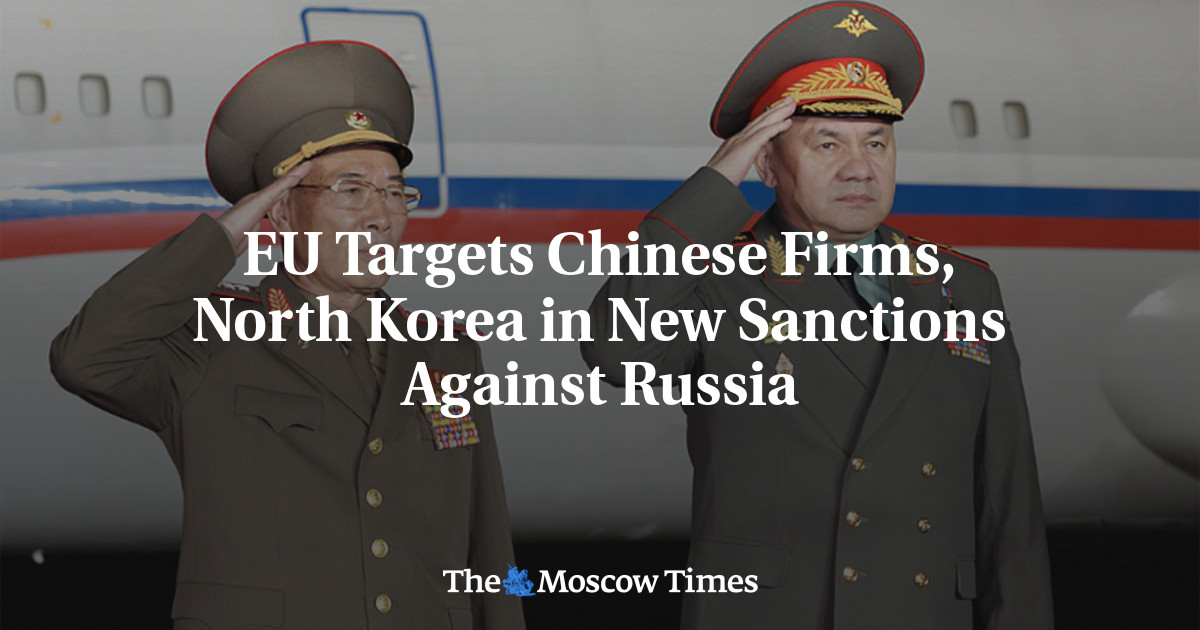
The Impact of Sanctions on North Korea: An Overview
The geopolitical landscape of Northeast Asia is significantly shaped by the ongoing sanctions against North Korea. These measures, initiated primarily due to North Korea’s nuclear ambitions and human rights abuses, have profound implications not merely for the Korean Peninsula but for global security dynamics. To gain a deeper understanding of this pressing issue, one can refer to various resources, including information on North Korea sanctions https://www.lanadelreyfan.com/news/north-korea-sanctions-strict-regulations-and-global-implications.html which delves into the strict regulations surrounding these sanctions.
Sanctions against North Korea have a long history, beginning in the early 2000s. The international community, spearheaded by the United States and supported by the United Nations, has imposed a series of economic restrictions aimed at curtailing the Kim regime’s ability to develop nuclear weapons. The United Nations has implemented sanctions that specifically target North Korea’s coal, iron, and seafood exports, which are vital sources of revenue for the country. Over the years, these measures have become increasingly stringent as North Korea has continued its weapons programs despite international outcry.
/cloudfront-us-east-2.images.arcpublishing.com/reuters/WJI6FGQTE5JOXIOSOGQ6JJZ3WY.jpg)
The underlying rationale for these sanctions involves both security and ethical considerations. From a security standpoint, North Korea’s advancing nuclear arsenal poses

a threat not only to its neighbors—South Korea and Japan—but also to the broader international community, including the United States. The development of intercontinental ballistic missiles (ICBMs) capable of delivering nuclear warheads has further escalated these concerns.
Ethically, the sanctions seek to hold the North Korean regime accountable for its gross human rights violations. Reports from defectors and international human rights organizations reveal a systematic pattern of repression, including forced labor, arbitrary detention, and public executions. The combination of these factors has warranted an ongoing global effort to pressure the North Korean government into changing its conduct.
Despite the intention behind these sanctions, the effectiveness and consequences of these measures remain hotly debated. Proponents argue that sanctions have successfully limited North Korea’s economic capabilities and delayed its nuclear ambitions. Nevertheless, critics claim that sanctions disproportionately affect the North Korean populace rather than the elite governing class. This argument suggests that the sanctions could exacerbate human suffering, thereby making a humanitarian crisis more likely as the country’s economy continues to deteriorate.
Economic sanctions lead to restrictions on essential goods, including food and medicine, which further complicates the humanitarian situation within North Korea. Reports indicate that the country suffers from chronic food shortages and inadequate healthcare, problems that have been exacerbated by the sanctions regime. Thus, while the goal of the sanctions is to pressure the government, they may inadvertently harm the very people they aim to protect or liberate.
The impact of sanctions also extends to North Korea’s relationships with other countries. For instance, North Korea has relied heavily on China for economic support, making it a crucial player in the sanctions narrative. The effectiveness of the sanctions is often linked to China’s compliance. While China has participated in UN sanctions, it continues to engage in trade with North Korea to cushion the effects of the restrictions. This relationship complicates efforts to implement a truly effective sanctions regime.
Additionally, North Korea has sought to find alternative trading partners, including Russia and other nations that are less aligned with Western policies. This diversification of trade avenues diminishes the impact of sanctions and presents challenges for international diplomacy. The burgeoning relationship with Russia, especially in light of recent geopolitical tensions, raises concerns that North Korea may find ways to circumvent sanctions further.
As diplomatic engagement has evolved, there have been shifts in the approach to sanctions. The summits between North Korean leader Kim Jong-un and U.S. President Donald Trump in 2018 and 2019 sparked hope for a potential thaw in relations. However, the lack of substantial progress resulted in a stalemate, underscoring the difficulty of balancing sanctions with diplomatic negotiations. Withdrawal or relaxation of sanctions remained contingent on North Korea taking verifiable steps toward denuclearization, a process that has yet to become a reality.
Moving forward, the international community must carefully consider its approach to the North Korean sanctions regime. While maintaining pressure is vital for denuclearization efforts, it is equally important to address the humanitarian implications of these measures. There is a growing recognition that any sanctions must be designed with a more nuanced understanding of their effects on the civilian population. This might include more targeted sanctions that specifically address regime officials while minimizing the impact on ordinary citizens.
Furthermore, the potential for dialogue and engagement remains crucial. Encouraging North Korea to participate in discussions about its nuclear programs and human rights practices may foster an environment conducive to negotiation. Previous experiences indicate that diplomatic channels, even when fraught with difficulties, are essential in the quest for long-term solutions.
In conclusion, the sanctions against North Korea represent a complex interplay of international relations, security concerns, and human rights issues. As the situation evolves, it becomes critical for policymakers and the global community to reassess the effectiveness and humanitarian consequences of these sanctions. The ultimate goal must remain clear: to achieve a peaceful resolution that addresses the nuclear threat while ensuring the well-being of North Korea’s population.