
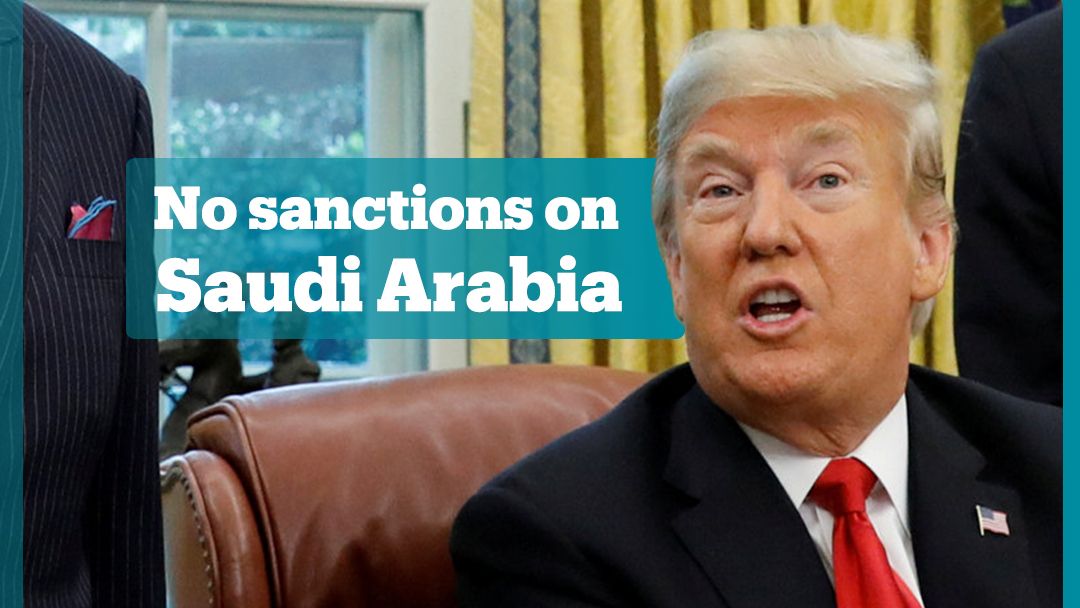
The Impact of Sanctions on Saudi Arabia: An In-Depth Analysis
This article discusses the various aspects and implications of sanctions imposed on Saudi Arabia, highlighting their economic, political, and social effects. You can read more about the specifics in our Saudi Arabia sanctions overview.
Introduction
Sanctions have become a common tool in international relations, employed primarily to influence the behavior of countries and promote compliance with international law. Saudi Arabia, as one of the world’s most influential oil producers and a key player in Middle Eastern politics, is no stranger to the imposition of sanctions. These sanctions can arise from various causes, including human rights violations, aggression in regional conflicts, or non-compliance with international agreements.
Historical Context of Sanctions Against Saudi Arabia
The use of sanctions against Saudi Arabia has a complex history. Over the years, the Kingdom has faced scrutiny from the global community for its human rights record, treatment of dissidents, and involvement in regional conflicts. The most notable sanctions occurred in response to specific incidents, such as the assassination of journalist Jamal Khashoggi in 2018, which drew widespread condemnation and resulted in diplomatic and economic repercussions.
Types of Sanctions Imposed
Sanctions against Saudi Arabia can be broadly categorized into two types: economic sanctions and diplomatic sanctions. Economic sanctions may involve trade restrictions, asset freezes, or bans on certain transactions, while diplomatic sanctions often include the withdrawal of ambassadors, severing of diplomatic ties, and other forms of political isolation.
Economic Sanctions
Economic sanctions have a considerable impact on Saudi Arabia, primarily due to its reliance on oil exports as the backbone of its economy. Sanctions that target the oil sector, whether through restrictions on trade or investment, can lead to significant revenue losses for the Kingdom. Such economic measures can exacerbate existing economic challenges, especially in a country that is undergoing significant shifts as part of Vision 2030, an initiative aimed at diversifying the economy away from oil dependence.
Diplomatic Sanctions
Diplomatic sanctions can weaken Saudi Arabia’s influence on the global stage. A reduction in partnerships and alliances with key countries can hinder the Kingdom’s ability to navigate regional challenges and assert its influence. Diplomatic isolation can also lead to a reduction in foreign investments, which are crucial for economic growth and development.
Political Implications of Sanctions
Sanctions often carry political motivations, and their implications for Saudi Arabia are manifold. The Kingdom’s leadership has been known to respond robustly to sanctions, making efforts to maintain its standing in the international community. This may include shifting alliances or enhancing relations with countries that do not impose sanctions, such as Russia and China.
Moreover, leadership in Saudi Arabia may leverage anti-sanction rhetoric internally to foster a sense of nationalism and unity among its citizens. By framing sanctions as external aggression, the government can bolster domestic support for its policies, deflecting attention from internal issues.
Economic Effects on the Kingdom
The economic ramifications of sanctions on Saudi Arabia are varied and pervasive. Oil price fluctuations can be exacerbated by sanctions, impacting the Kingdom’s revenues significantly. In a landscape where oil prices are volatile, any restrictions can lead to broader economic instability, forcing the government to adjust its budgeting and economic plans.
Furthermore, sanctions can discourage foreign investment as potential investors evaluate the risks associated with doing business in the Kingdom. This can hinder the progress of Vision 2030, which aims to attract foreign direct investment and develop alternative industries.

Reactions from Saudi Arabia
In response to sanctions, Saudi Arabia has often taken an assertive stance, reaffirming its commitment to its values and policies. The Kingdom has also sought to improve its image on the international stage through public relations campaigns and initiatives aimed at highlighting its contributions to global stability, economic growth, and counter-terrorism efforts.
Strategic Adjustments
Faced with sanctions, the Kingdom has adjusted its foreign policy and economic strategies. It has explored new markets for its oil and has sought to enhance economic ties with non-Western countries. This diversification strategy is crucial for stabilizing its economy in the face of potential future sanctions.
International Response and Future Outlook
The international response to Saudi Arabia’s actions and the imposition of sanctions is multifaceted. While some countries advocate for increased sanctions, others call for more diplomatic engagement. The future landscape of sanctions on Saudi Arabia will likely be influenced by ongoing regional tensions, domestic policy shifts, and global energy markets.
As global dynamics evolve, the effectiveness of sanctions remains a topic of debate. While they can pressure governments to change their behavior, they can also lead to unintended consequences, such as strengthening authoritarian regimes or pushing targeted countries closer to adversarial nations.
Conclusion
In conclusion, the sanctions imposed on Saudi Arabia reflect broader geopolitical tensions and have significant i
mplications for the Kingdom’s economy, politics, and international relations. As both domestic and international pressures evolve, how Saudi Arabia navigates its challenges, including the sanctions, will be crucial in shaping its future paths.
Understanding the multifaceted nature of these sanctions provides valuable insight into the complexities involved in international diplomacy and economics. The interconnected nature of today’s global community means that actions taken against one nation can reverberate across the globe, impacting a myriad of stakeholders.