
Explore Hanging Gardens
Slugs may be small and slimy, but they can cause enormous frustration for gardeners. Zucchini is one of the easiest and most rewarding vegetables to grow in a home garden. Rabbits may be adorable in storybooks, but in the garden, they are notorious for causing frustration. Identifying and controlling pests early is key to maintaining a vibrant and productive garden.
A thriving garden is every gardener’s dream, but even the healthiest plants can fall victim to pests. Maximizing green space in small yards can be a challenge, but vertical gardening offers a perfect solution. As easy-care as pothos, these vining plants have glossy, green heart-shaped leaves. The exotic-looking flowers of these stunning outdoor plants attract tons of hummingbirds.
This romantic story has helped fix the gardens in the popular imagination. Berossus also wrote that King Nebuchadrezzar II constructed the gardens in Babylon in honor of his wife, Amytis of Media, who longed for the lush mountain landscape of her native Persia. Another important source of information on the gardens was written by a Babylonian priest named Berossus who lived in the early third century B.C. Historians can draw on a wealth of later classical writers who reference the gardens.
What are modern geometric hanging planter options?
When the troops returned to their country, they had wonderful things to tell about Mesopotamia’s beautiful gardens, palm palms, and majestic palaces. The city of Babylonia, its fortifications, and the palace are described in great detail on tablets from Nebuchadnezzar’s reign, but the Hanging Gardens are not mentioned. The mythical gardens is the only one of the Seven Ancient Wonders of the World whose location has yet to be determined. These fluids completely fill the garden, saturating plant roots and keeping the whole area moist. He attributed the gardens’ construction to a Syrian ruler, again because his bride missed her country.
Elephanta Caves, Mumbai
The Babylonians built several stunning and opulent palaces during the rule of King Nebuchadnezzar II and preserved artwork and monuments from the former Babylonian Empire. By capturing neighboring city-states, Hammurabi established the Babylonian empire by unifying the majority of central and southern Mesopotamia under his rule. Since the Euphrates River’s channel varied over thousands of years after Alexander, any remaining ruins may now be underwater.
- The nearest railway station is Chhatrapati Shivaji Terminus (CST), which is about 8 km away from the gardens.
- At the time, the importation of trees and other shrubs into new territories and into display settings such as gardens was used to symbolize the strength and reach of an empire, much as it could and often did in ancient Rome.
- Seven such monuments became the original ‘bucket list’ when ancient writers such as Herodotus, Callimachus of Cyrene, Antipater of Sidon, and Philo of Byzantium compiled shortlists of the most wonderful sights of the ancient world.
- Living rooms, kitchens, and home offices benefit most from strategically placed hanging air purifiers that work continuously throughout the day.
Moreover, hanging gardens can contribute to improved air quality, as plants naturally filter toxins and produce oxygen. Based on her research, she believes that King Sennacherib, not Nebuchadnezzar II, was the one who built the hanging gardens. If you want to plant something but don’t have enough space for that, there are some creative space-saving gardening solutions like vertical planters or hanging gardens. Traditional hanging gardens use natural materials like clay pots, woven baskets, or wooden frames to suspend plants. We’ve discovered that seasonal hanging gardens let you celebrate nature’s changing beauty throughout the year while maintaining stunning vertical displays. The best plants for hanging gardens are drought-tolerant, low-maintenance, and have a cascading growth habit.

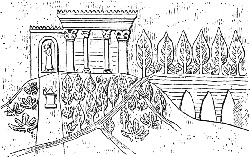
If Dalley’s theory is correct, that means the hanging gardens were constructed in Assyria, which is about 300 miles north of where ancient Babylon used to be. Another theory proposes that the hanging gardens would be constructed by Sennacherib who was king of Assyria from 705 to 681 BC and they would be located in Nineveh on the bank of the Tigris River. According to Greek historians, the hanging gardens were built by order of the king Nebuchadnezzar II around 600 BC. Some stories tell that the hanging gardens towered above hundreds of feet into the air but archaeological investigations indicate a more modest height, but still impressive to the time. Hanging Gardens Modern hanging gardens employ innovative materials such as lightweight plastics, metals, or fabrics with integrated irrigation systems.
There are containers designed with a hook on the back that allows you to hang the plant on a trellis, over a fence, railing or any other structure that can support the hooks. The hanging basket configuration creates a wider growing area and is usually lined at the bottom with a layer of hemp or other natural material like coconut fiber to hold the soil in a wire frame. The sizes vary but a 6-inch diameter pot is about the minimum for a vegetable plant.
Add drainage holes at the bottom of each planter and holes in the front for additional plants. Ferns, shrimp plants, arrowhead vine, and 'Aquamarine' pilea spill over the outer planters. A hook installed in a tree branch holds this basket featuring a stunning combination of impatiens, spider plants, begonias, ferns, and ivy, which are perfect for the shade. When a basket is this rich in detail, hang it low enough to enjoy looking at the plants rather than the bottom of the pot. Purple fan flowers punctuate the lush greenery, contrasting the deep, dark container suspended in the air. A mix of structural succulents takes center stage in a simple hanging fiber clay planter.