
Exploring the Impact of Iran’s Secondary Sanctions on Global Trade
The landscape of international trade has been significantly altered by various geopolitical factors, among which the more on Iran secondary sanctions plays a crucial role. Secondary sanctions, in particular, have created complex challenges and opportunities for businesses operating globally. In this article, we will delve into the implications of these sanctions, their origins, and how they affect international business activities.
Understanding Secondary Sanctions
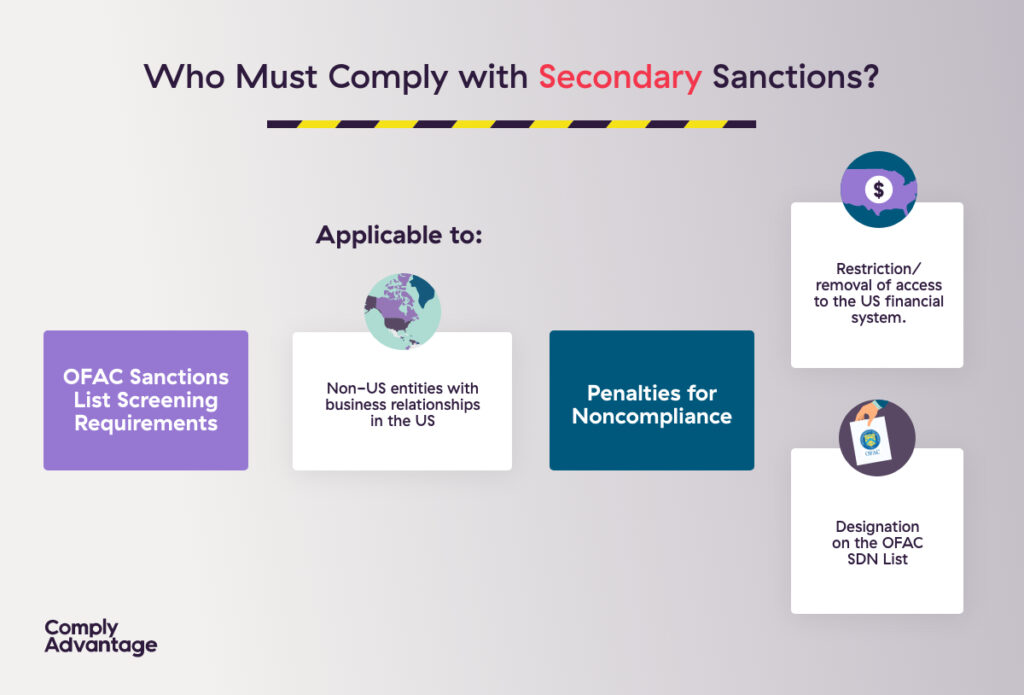
Secondary sanctions refer to measures that target not just the original sanctioned entity but also third-party countries, companies, or individuals that engage with the sanctioned entity. In the case of Iran, these sanctions are primarily enforced by the United States and can have extraterritorial effects, meaning they can apply to companies outside of U.S. jurisdiction. This is particularly significant in a globalized economy where foreign investments and trade are interconnected.
The Origins of Iran’s Secondary Sanctions
Iran’s secondary sanctions largely stem from concerns over its nuclear program and alleged support for terrorism. The U.S. government has aimed to curb Iran’s ability to finance these activities through a series of sanctions that have intensified since the early 2000s. The Joint Comprehensive Plan of Action (JCPOA), reached in 2015, was an attempt to limit Iran’s nuclear capabilities in exchange for relief from some sanctions. However, the U.S. withdrawal from the JCPOA in 2018 and the subsequent re-imposition of sanctions intensified the pressure on Iran and its trading partners.
Impact on International Businesses
For international businesses, Iran’s secondary sanctions present a dual-edged sword. On one hand, companies that are tied to U.S. jurisdictions may find themselves excluded from lucrative markets, while on the other hand, there are potential opportunities for those willing to navigate the risks. The consequences for global trade include:
- Increased Compliance Costs: Companies must invest in compliance systems to monitor their dealings with Iranian entities to avoid penalties.
- Market Uncertainty: Frequent changes in sanctions policy create an unpredictable business environment, leading firms to hesitate in their Iran investments.
- Opportunities for Non-Western Firms: Firms from non-U.S. jurisdictions may find access to Iranian markets more open, allowing these businesses to fill the void left by Western companies.
Case Studies: Businesses Facing the Challenge
Numerous businesses across sectors have been affected by Iran’s secondary sanctions. For instance, European companies that were eager to establish connections with Iran post-JCPOA have had to rethink their strategies following the re-imposition of U.S. sanctions. Many firms, including energy giants, faced tough decisions on whether to continue operations in Iran or withdraw completely to avoid potential U.S. penalties. Realignment of supply chains has become necessary for those committed to maintaining a foothold in the region.
Navigating the Complexities of Sanctions
To successfully navigate the complexities introduced by secondary sanctions, businesses must undertake a comprehensive risk assessment. Strategies include:
- Due Diligence: Companies should conduct thorough due diligence on their partners and suppliers to ensure compliance.
- Legal Consultation: Engaging legal experts with knowledge of international sanctions can provide valuable insights.
- Diversification: Firms should consider diversifying their markets to mitigate risks associated with being overly reliant on any single region.
The Future of Iran’s Secondary Sanctions
Looking ahead, the future of Iran’s secondary sanctions is uncertain. Potential diplomatic negotiations could lead to modifications or the lifting of some sanctions, but tensions in the region make this outcome unpredictable. The evolving geopolitical landscape will continue to shape how businesses approach their operations regarding Iran.
Conclusion
Iran’s secondary sanctions pose significant challenges for international businesses, complicating trade and investment opportunities. While the immediate effects are detrimental to many firms, astute businesses may find a way to navigate these com

plexities and uncover new opportunities. Ultimately, understanding the nuances of these sanctions will be key for companies looking to operate internationally in a landscape influenced by geopolitical factors.