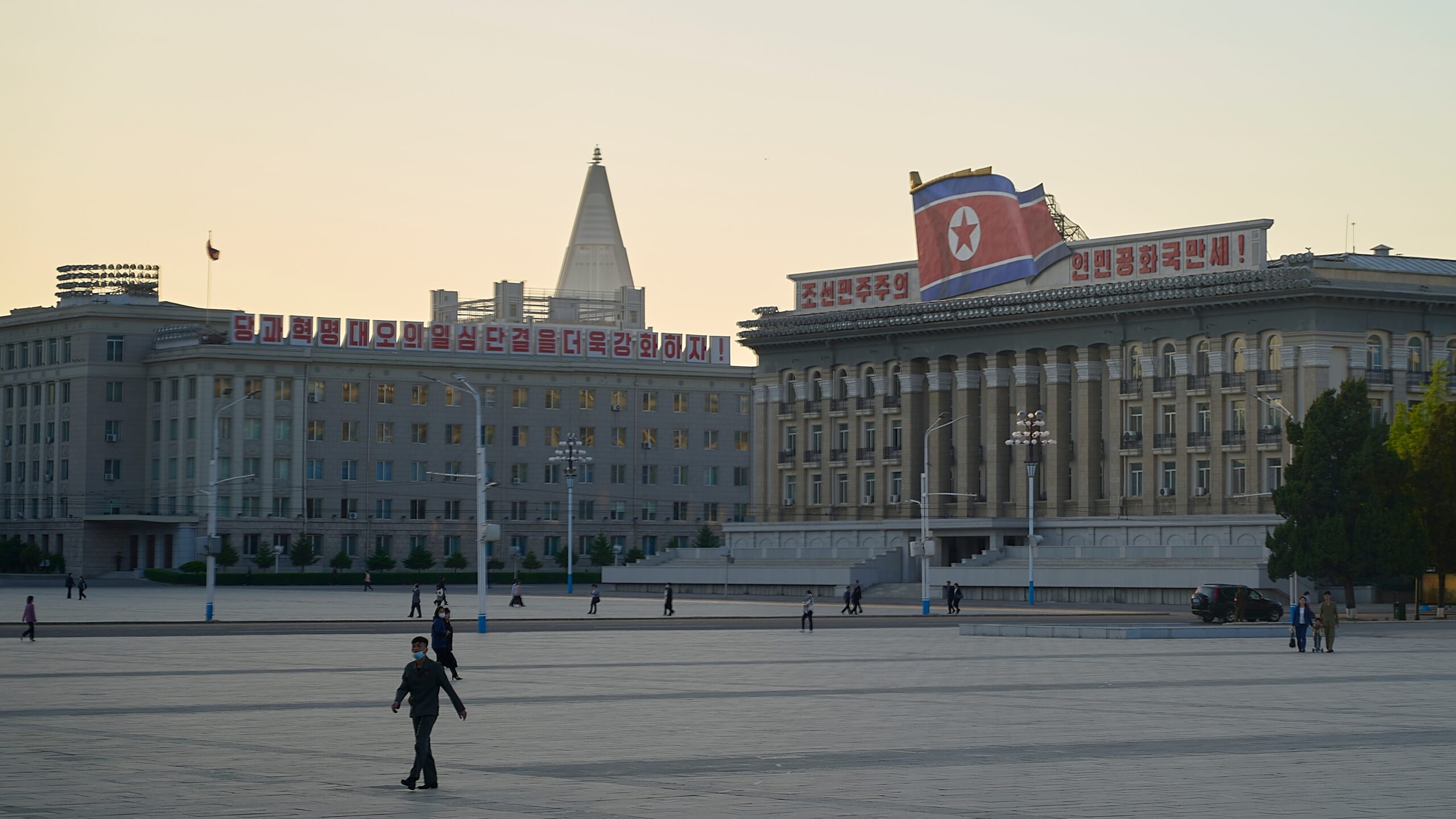
The Impact of Sanctions on North Korea: An Overview
North Korea, officially known as the Democratic People’s Republic of Korea (DPRK), has been the subject of numerous international sanctions over the past several decades. These sanctions, while aimed at curbing the country’s nuclear ambitions and human rights abuses, have generated complex outcomes both regionally and globally. For a comprehensive insight on the topic, refer to information on North Korea sanctions https://www.lanadelreyfan.com/news/north-korea-sanctions-strict-regulations-and-global-implications.html.
Historical Context of Sanctions Against North Korea
The imposition of sanctions on North Korea dates back to the 1950s, with a significant escalation occurring in the late 1990s and early 2000s due to the country’s nuclear weapons development. The United Nations Security Council (UNSC) has passed a series of resolutions targeting North Korea’s economy and military capabilities, each aiming to pressure the regime to abandon its nuclear program.
The most comprehensive sanctions came after North Korea conducted its first nuclear test in October 2006. In response, the UNSC implemented a variety of measures, including restrictions on trade, international financial transactions, and arms exports. Subsequent tests in 2009, 2013, and later years prompted further sanctions, each iteration intending to tighten the economic noose around the regime.
Types of Sanctions Imposed
Sanctions against North Korea can be broadly categorized into two types: unilateral sanctions imposed by individual countries, primarily the United States, and multilateral sanctions adopted by the United Nations.
Unilateral Sanctions
The United States has taken a leading role in imposing unilateral sanctions on North Korea. These include measures that restrict access to the U.S. financial system, prohibitions on investment, and specific trade restrictions. The Office of Foreign Assets Control (OFAC) maintains a list of designated individuals and entities associated with the DPRK, further complicating its ability to engage in commerce.
Multilateral Sanctions
On the multilateral front, the UNSC has imposed a series of bans on North Korea’s export of coal, iron, and seafood, as well as restrictions on oil imports. Additionally, measures aimed at freezing assets of North Korean officials and entities have compounded the country’s isolation from the international economic system.
Humanitarian Impact of the Sanctions
Despite their intended goals, the sanctions have raised significant humanitarian concerns. Reports suggest that the sanctions have exacerbated the already dire situation in North Korea, leading to food shortages and limiting access to essential medicines and medical equipment.
Various NGOs and humanitarian organizations have highlighted that while punitive measures against the regime are essential, the collateral damage to the civilian population must be taken into account. The North Korean people, who are already facing severe economic hardships and widespread malnutrition, often bear the brunt of these international policies.
Global Implications of the Sanctions
The international community remains divided on the effectiveness of these sanctions. While proponents argue that sanctions play a critical role in denuclearization talks, critics contend that they have failed to change the regime’s behavior and may lead to further isolation.
Moreover, the economic fallout of the sanctions is felt beyond North Korea’s borders. Neighboring countries, particularly South Korea and China, have a vested interest in the stability of the peninsula. The engagement policies in South Korea and fluctuating relations with China highlight the delicate balance of diplomacy, economics, and security.
Recent Developments and Future Outlook
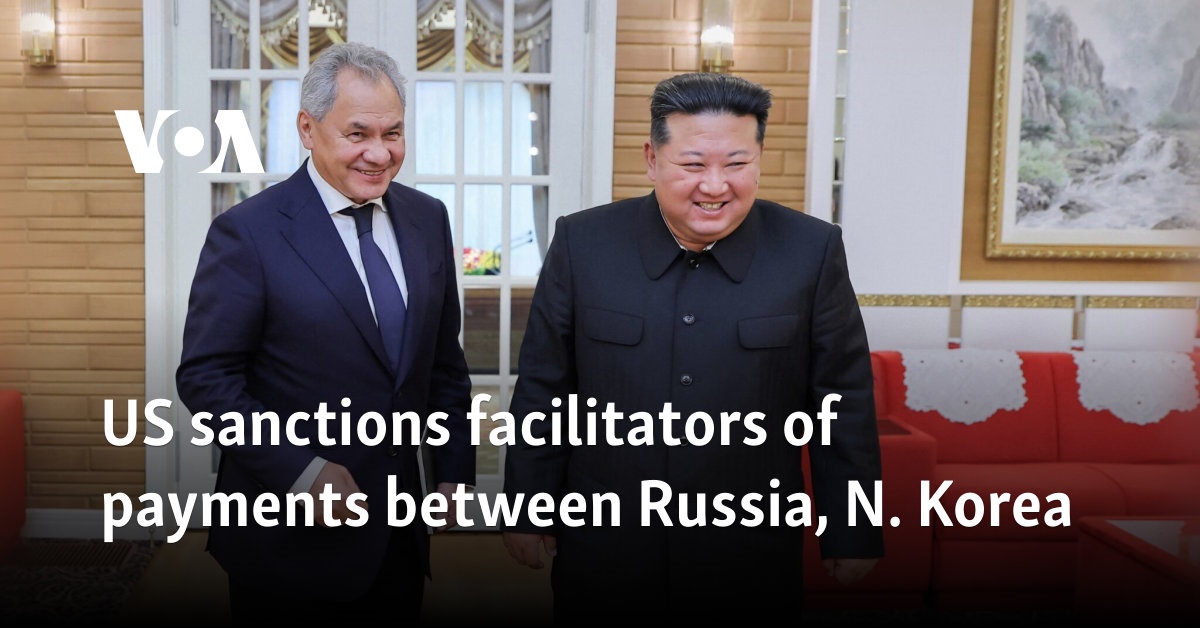
As of 2023, the geopolitical landscape continues to evolve with North Korea’s ongoing missile tests and nuclear ambitions sparking renewed discussions among world leaders. The Biden administration has emphasized a “calibrated approach” to North Korea, balancing sanctions with the potential for dialogue.
The future of sanctions will heavily depend on North Korea’s readiness to engage in negotiation and the international community’s response to any developments. The challenge remains to impose effective measures that do not further harm the civilian population while still holding the regime accountable for its actions.
Conclusion
In summary, the sanctions imposed on North Korea represent a multifaceted issue that intertwines humanitarian concerns with international security strategies. While the primary goal is to mitigate the threats posed by the DPRK’s nuclear capabilities, the broader implications of these sanctions warrant careful consideration and continuous dialogue among key global players. Only time will reveal whether these measures succeed in fostering a more stable and peaceful Korean Peninsula or if they will lead to further entrenchment of hostilities and suffering.